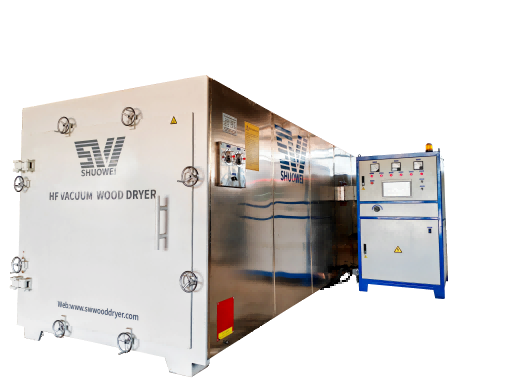
Choose a lumber kiln by the wood you need to deliver, the batches you can keep supplied and the quality your customers accept. A mill can own a large chamber and still miss orders because thick hardwood waits behind commodity boards. Start with that production problem. Compare lumber kiln options against real material, handling time and accepted output, then test the route that fits.
1. What job should your lumber kiln perform?

A lumber kiln should solve a defined bottleneck in your production. That may mean regular board throughput, small hardwood orders, finishing partly dried stock or processing valuable thick sections. List those jobs separately before deciding whether one chamber can handle their different schedules without delaying the rest of the mill.
Separate routine work from special batches
Use recent orders to describe species, dimensions, starting moisture, required final condition and delivery dates. A business cutting mostly ordinary softwood may need a different main drying route from a workshop selling wide walnut slabs. If only a small share of your output needs fast special handling, compare a dedicated system for that share with changing your whole operation. Ask production staff where work queues today, and ask sales which delayed batches carry a measurable commercial cost.
- Identify the wood that sets your delivery schedule.
- Estimate regular demand and seasonal peaks separately.
- Define the defect and moisture limits for each product.
| Production job | Selection question |
|---|---|
| Regular board output | Can the system sustain normal weekly demand? |
| Thick valuable sections | Can a trial meet core-moisture and quality limits? |
| Small urgent orders | Can batches run without disrupting routine work? |
Key takeaway: give every proposed kiln a specific production job and a measurable result to achieve.
2. Why does the wood specification come before capacity?
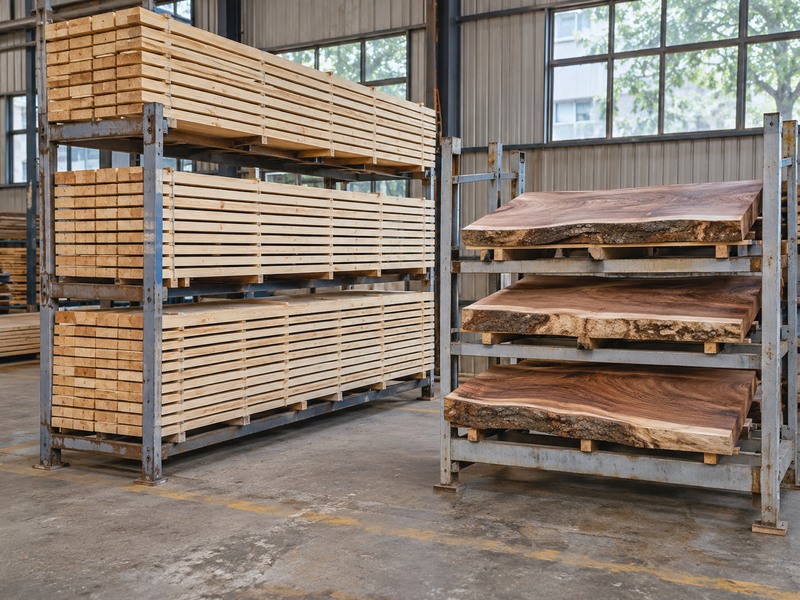
Your lumber kiln specification starts with species and dimensions because those determine loading and drying behavior. Two packs with the same outer volume can contain different solid-wood quantities and need different programs. Thick oak, thin pine and irregular slabs cannot be treated as interchangeable material merely because they fit inside one chamber.
Build a representative material envelope
Prepare a cutting list for normal work and another for the largest pieces that appear regularly. Include actual widths for natural-edge slabs, thickness variation and the share of short pieces. A supplier can then propose usable dimensions and loading arrangements around your material. Keep rare oversized jobs visible but evaluate their frequency and value before allowing them to determine the size and cost of every future batch.
- State maximum and typical dimensions.
- Describe moisture ranges rather than a single convenient reading.
- Record mixed-species and mixed-thickness proposals for review.
| Material detail | Equipment consequence |
|---|---|
| Length and width | Usable loading envelope and access |
| Thickness and species | Program, heating demand and drying risk |
| Pack shape | Actual load and handling arrangement |
Key takeaway: size around representative work, while pricing unusual jobs as a separate production decision.
3. When is an air-based kiln a sensible choice?
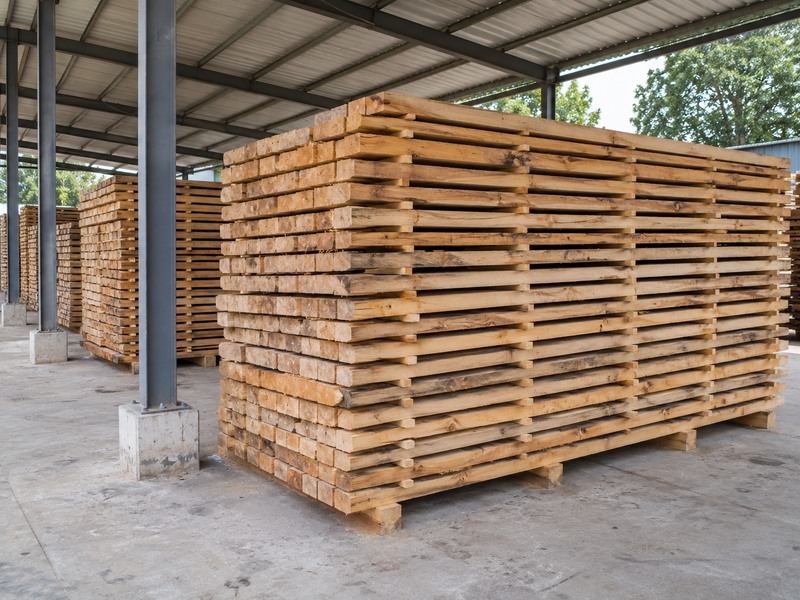
An air-based lumber kiln can suit regular production when its chamber, heat source and airflow match your batches. Conventional systems control drying through heated air, humidity management and circulation. Their usefulness depends on the whole installation, including the heat supply and the operator's ability to run the required schedules.
Check circulation and heat supply together
The airflow must reach the lumber surfaces rather than bypass the stack through large open spaces. Stickers, baffles and pack geometry influence that path, while the heat source must supply the required operating demand. If you already run a conventional kiln, compare repairs, controls or a changed loading practice with buying additional capacity. A new chamber will not remove a sorting or handling problem that continues upstream.
- Review stack geometry and baffling with the supplier.
- Include heat-source operation and maintenance in the cost.
- Test normal loading rather than an ideal demonstration pack.
| Review area | Evidence to request |
|---|---|
| Heat supply | Defined fuel, electrical and operating requirements |
| Air distribution | Suitable pack layout and circulation checks |
| Control | Species-appropriate schedule and batch records |
Key takeaway: evaluate the chamber, heat source and air path as one production system.
4. Where does dehumidification fit?
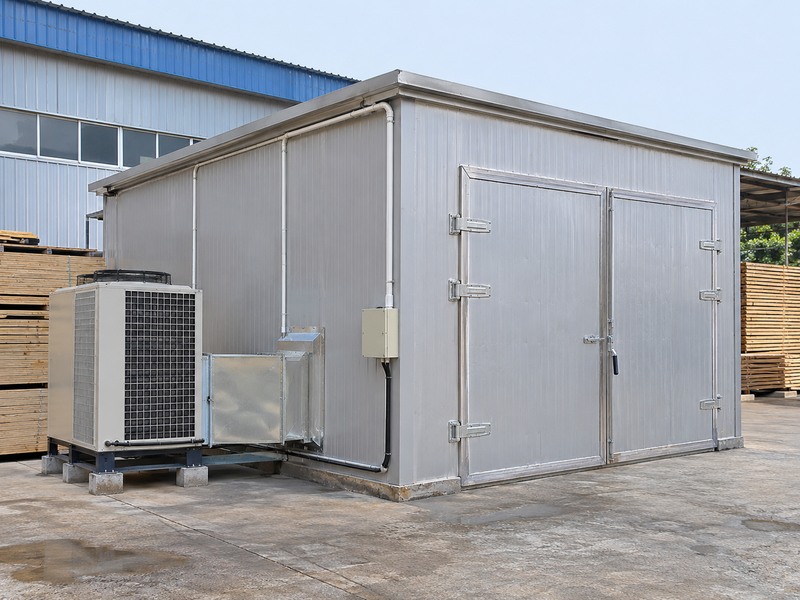
A dehumidification lumber kiln suits work where controlled air circulation and refrigeration-based moisture removal meet your required output. Water released by the lumber condenses in the dehumidification system, and recovered heat remains useful within the process. Chamber insulation, air distribution and equipment operating limits still determine whether the installation performs as intended.
Compare complete cycles and service needs
Ask how moisture-removal capacity changes under the actual operating conditions, rather than comparing a single nameplate figure. Review the proposed wood load, starting moisture and permitted temperature range. A low initial equipment price can lose its appeal if your valuable batches wait too long or maintenance support cannot keep the system available. Conversely, a well-matched installation can be a practical choice when its output and operating requirements fit the business.
- Check the unit's approved operating conditions.
- Confirm condensate drainage and air circulation.
- Include service access and replacement-part availability.
| Question | Why you need an answer |
|---|---|
| What wood was tested? | Establishes relevance to your batches |
| How long was turnaround? | Connects cycle time with production |
| What did the meter include? | Makes the energy comparison usable |
Key takeaway: judge dehumidification on a complete, documented batch under conditions you can reproduce.
5. When should you consider a solar kiln?
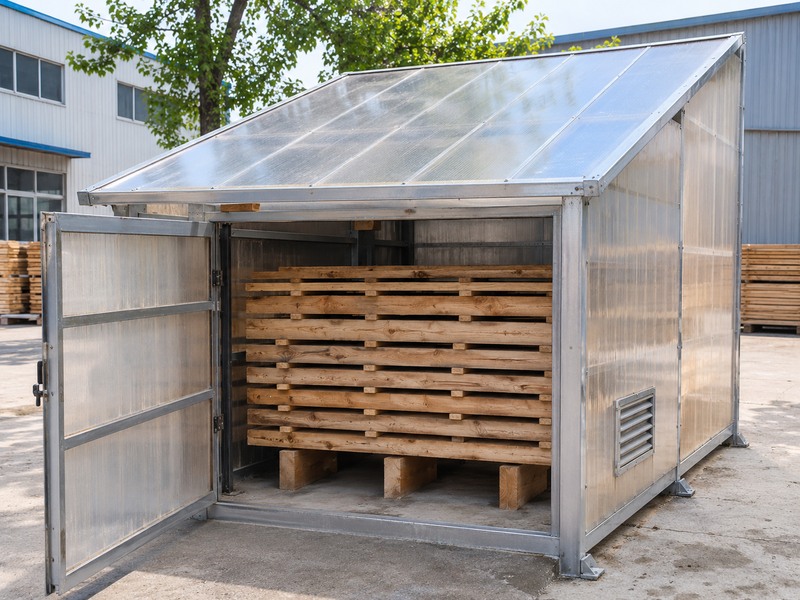
A solar lumber kiln deserves consideration when available solar heat, material value and flexible timing suit the job. Weather and seasonal conditions affect its output, so assess the supply of dry wood across the year. A successful summer demonstration cannot establish dependable winter delivery without supporting local operating evidence.
Put seasonality into the production plan
Compare the demand calendar with the expected drying window and the protected storage you can maintain. You may be able to use a solar route for selected stock while reserving another process for final moisture reduction or urgent orders. Include land, structure, loading labor and monitoring in the comparison. Keep end-use moisture requirements fixed: changing the target to match whatever ambient conditions deliver does not resolve a customer's specification.
- Use local seasonal experience where available.
- Provide weather protection and a suitable stack arrangement.
- Plan the route for stock that remains above target moisture.
| Planning factor | Practical check |
|---|---|
| Solar availability | Compare with the months you need output |
| Storage | Protect dry material between orders |
| Final specification | Verify moisture before machining or sale |
Key takeaway: treat weather-dependent capacity as a seasonal production resource with a defined backup route.
6. What distinguishes RF vacuum drying?
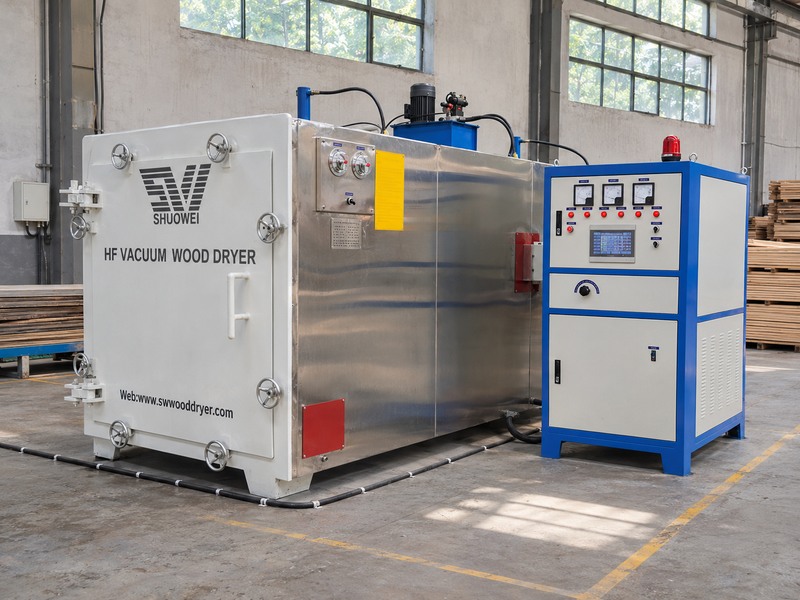
An RF vacuum lumber kiln combines high-frequency heating with reduced chamber pressure and controlled vapor removal. It is worth testing for thick, valuable or time-sensitive batches where the outcome can justify the investment. Approved electrode geometry, loading, restraint, cooling and electrical conditions govern the process, so an RF system requires its own loading and operating method.
Test your high-value material
Shuowei's SWKD equipment uses a rectangular chamber, an RF generator, an electric trolley and hydraulic restraint. Its standard range includes models for different lengths and loading envelopes, with actual loading determined by the wood and arrangement. A representative trial should evaluate core moisture, defect limits, cycle time and usable output together. Ask how low loads, irregular edges or mixed thicknesses affect the proposed program before treating those jobs as routine production.
- Submit actual species, dimensions and moisture ranges.
- Obtain an approved pack and electrode arrangement.
- Carry trial samples into the intended machining process.
| Trial measure | Decision supported |
|---|---|
| Core and batch moisture | Suitability for the intended use |
| Accepted dry output | Value delivered by each batch |
| Complete turnaround | Fit with customer lead times |
Key takeaway: use your own valuable stock to establish whether RF vacuum earns a place in the production route.
7. How can you compare kiln options fairly?
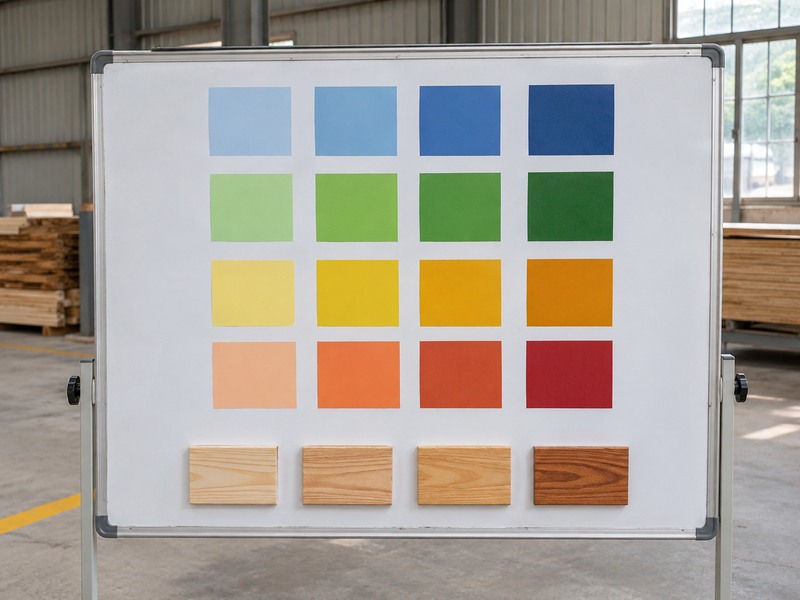
Compare each lumber kiln on the same material, final specification and equipment boundary. A partly dried softwood trial and a green thick-hardwood trial describe different tasks. Keep those starting conditions visible so a shorter cycle or smaller energy figure does not decide the purchase on an unequal basis.
Use one comparison worksheet
For each proposal, record input dimensions, moisture range, actual solid loading, accepted output and complete turnaround. Add energy with its measurement boundary and denominator, handling labor, maintenance and site costs. Where a supplier provides only a catalogue claim, mark the gap and request a relevant trial or calculation. Keep assumptions separate from measurements so you can see which part of the business case remains unproven.
- Compare equivalent material and acceptance criteria.
- Label measured, calculated and estimated figures.
- Include capacity lost to re-drying or rejected output.
| Comparison basis | Keep consistent |
|---|---|
| Material | Species, dimensions and starting moisture |
| Result | Final moisture, defects and accepted quantity |
| Resources | Energy, handling, utilities and maintenance scope |
Key takeaway: resolve differences in test conditions before ranking proposals by speed or operating cost.
8. How do usable load and turnaround set output?
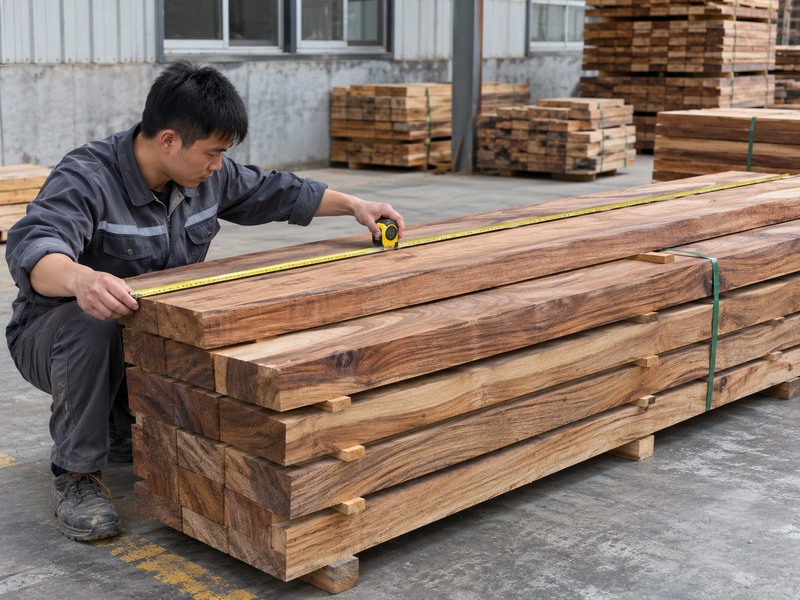
Your lumber kiln output depends on actual load, accepted yield and the complete time between batches. A chamber's stated volume does not establish weekly production. Loading preparation, cooling, inspection, staffing and maintenance can reduce the number of accepted batches you finish, even when the active drying program runs as expected.
Calculate from the pack you can repeat
An illustrative 4 m³ load with 90% accepted output produces 3.6 m³ per completed batch. If your normal workflow completes two such batches each week, that represents 7.2 m³ of accepted weekly output, before any further deductions already excluded from the assumptions. This example is arithmetic, not a performance claim for a kiln model. Use your trial's actual pack and turnaround to replace both inputs before planning sales commitments or expansion.
- Confirm the volume basis for loading.
- Record preparation and inspection outside the drying program.
- Use a realistic allowance for planned maintenance.
| Input | Meaning |
|---|---|
| Actual load | Solid wood entering one batch |
| Accepted yield | Share meeting the agreed dry specification |
| Completed batches | Repeatable output within the planning period |
Key takeaway: calculate capacity from a repeatable workflow rather than the largest pack shown in a brochure.
9. What site costs belong in the purchase decision?
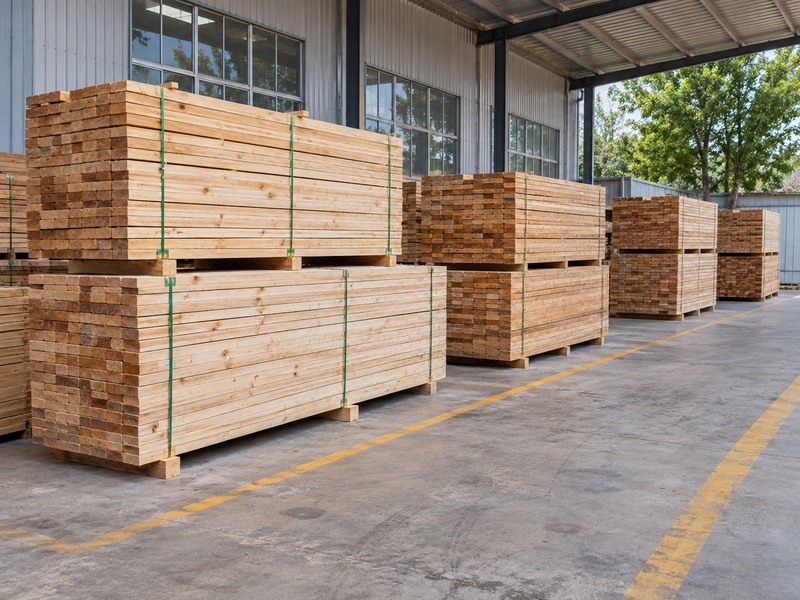
A lumber kiln project includes more than the machine price. Electrical supply, cooling or heat provision, access, lifting, foundations and local installation requirements can change the total investment. Define the supply boundary before comparing quotations, especially when one price includes auxiliaries that another lists separately.
Ask for an itemized project scope
Give the supplier your voltage, phases, frequency, available space and local operating conditions. Ask your site designer to review electrical loads and cooling requirements against the approved equipment configuration. Include freight, import arrangements, installation, training and appropriate spare parts in the budget. A quotation becomes easier to compare when every line has an owner, an inclusion statement and a basis for any allowance that remains provisional.
- Distinguish catalogue ratings from installation requirements.
- Confirm what cooling or heat equipment is included.
- Reserve access for operation, maintenance and future replacement.
| Cost group | Typical scope question |
|---|---|
| Equipment | Which auxiliaries and controls are included? |
| Site work | Who designs and supplies the utilities? |
| Handover | What installation, testing and training are provided? |
Key takeaway: compare the installed production system after identifying every supply responsibility.
10. What should the final selection trial prove?
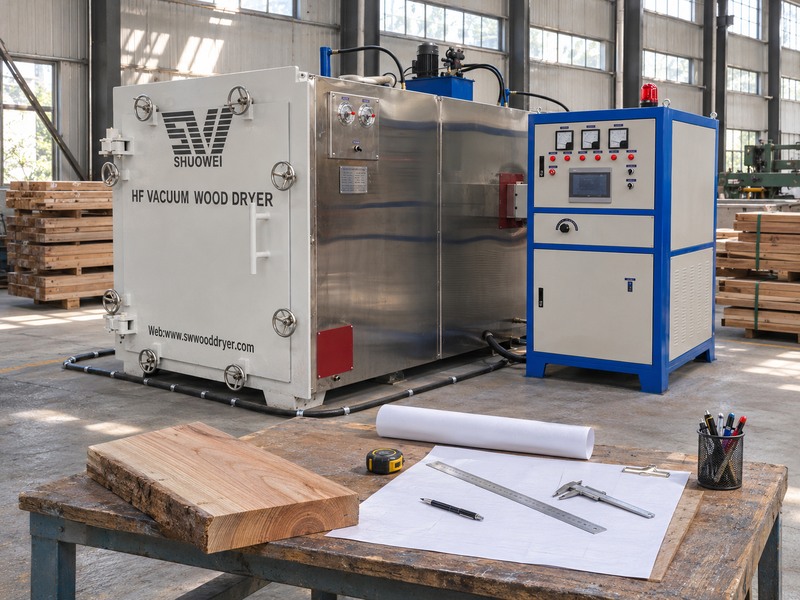
The lumber kiln trial should prove a defined result on representative stock, with enough records to explain how the result was achieved. Agree acceptance before the run. Separate a wood trial from factory equipment testing, and keep both connected to the configuration that will actually be delivered and installed.
Keep a decision record your team can use
Identify samples, record starting conditions, retain the operating history and inspect the final moisture distribution and defects. Review accepted output after the agreed holding or machining stages where those stages affect your product. Then compare the result with the site's utility requirements and complete budget. A trial that answers the production team's questions gives purchasing and finance a firmer basis for deciding whether to add equipment, change the route or keep the existing arrangement.
- Agree the material and sampling plan in advance.
- Record deviations and how they affect interpretation.
- Keep installation and training requirements with the decision.
| Decision evidence | Required connection |
|---|---|
| Wood outcome | Your material and acceptance criteria |
| Equipment result | The approved machine configuration |
| Business case | Accepted output, complete costs and repeatability |
Key takeaway: select the system whose trial, site plan and economics answer the same production need. Share your material list, monthly demand and available utilities when you contact us. Shuowei can review the RF vacuum option and discuss a representative trial, usable loading layout and itemized equipment scope.
FAQ
Q1: What's the best kiln for every sawmill?
There is no universal choice. Material, throughput, quality targets, utilities and operating skills determine the fit.
Q2: Can I use two drying routes in one business?
Yes. Some operations separate regular throughput from special or final-drying batches. Check handling, inventory and quality controls across both routes.
Q3: How do I know if a vacuum kiln is worthwhile?
Test representative stock and calculate accepted output, complete turnaround and project cost. Compare the result with your existing route.
Q4: Can I compare published energy figures directly?
Only when their material, measurement boundary and volume denominator match. Otherwise, request a comparison on a common basis.
Q5: Should future peak demand determine kiln size?
Use a realistic demand forecast. Check how often the larger load will run and whether normal smaller batches remain suitable.